How to Choose a Reliable Roof Repair Austin Service
Understanding the Real Cost of Roof Neglect in Austin
Living in Austin means dealing with a climate that can be tough on roofs. Intense summer heat, sudden hailstorms, and the occasional freeze cycle put real stress on asphalt shingles, metal roofing, and flat roof systems. I have seen too many homeowners put off small fixes until a minor leak turns into a major interior disaster. The key is knowing when to call in a professional for roof repair Austin and what to look for before you hire anyone.
One afternoon last spring, a friend called me after a thunderstorm. Water was dripping through his living room ceiling, and his first instinct was to grab a bucket and wait. By the time he got a roofer out, the damage had spread behind the walls. That is the kind of situation you want to avoid. A simple roof inspection checklist can catch issues before they escalate, but you need the right team to do that inspection well.
What Makes Austin Roofing Different
Roofing in Austin is not the same as roofing in a cooler, wetter climate. Our UV exposure is brutal, especially on south-facing slopes. Asphalt shingles can become brittle faster, and metal roofing expands and contracts more dramatically. I have worked with homes where the original roof was installed with little thought to roof ventilation, and that lack of airflow cooked the decking from underneath. Proper ventilation is not optional here; it is essential for longevity.
Another factor is the growing popularity of solar panels. Many homeowners want to reduce their energy bills, but installing panels on an aging roof can be a mistake. If your roof needs repair in the next few years, you will have to remove and reinstall those panels, which doubles the labor cost. It is smarter to assess the roof first, do any needed roof repair Austin, and then add solar. That sequence alone has saved several of my clients thousands of dollars in unnecessary rework.
Signs You Need More Than a Quick Patch
Not every leak requires a full replacement, but some signs point to deeper problems. Look for curled or missing shingles, granule loss in gutters, and stains on interior ceilings. Also check your gutter system for rust or separation. If water is not channeled away properly, it can back up under the shingles and rot the fascia. A good roofer will check these details as part of a thorough inspection.
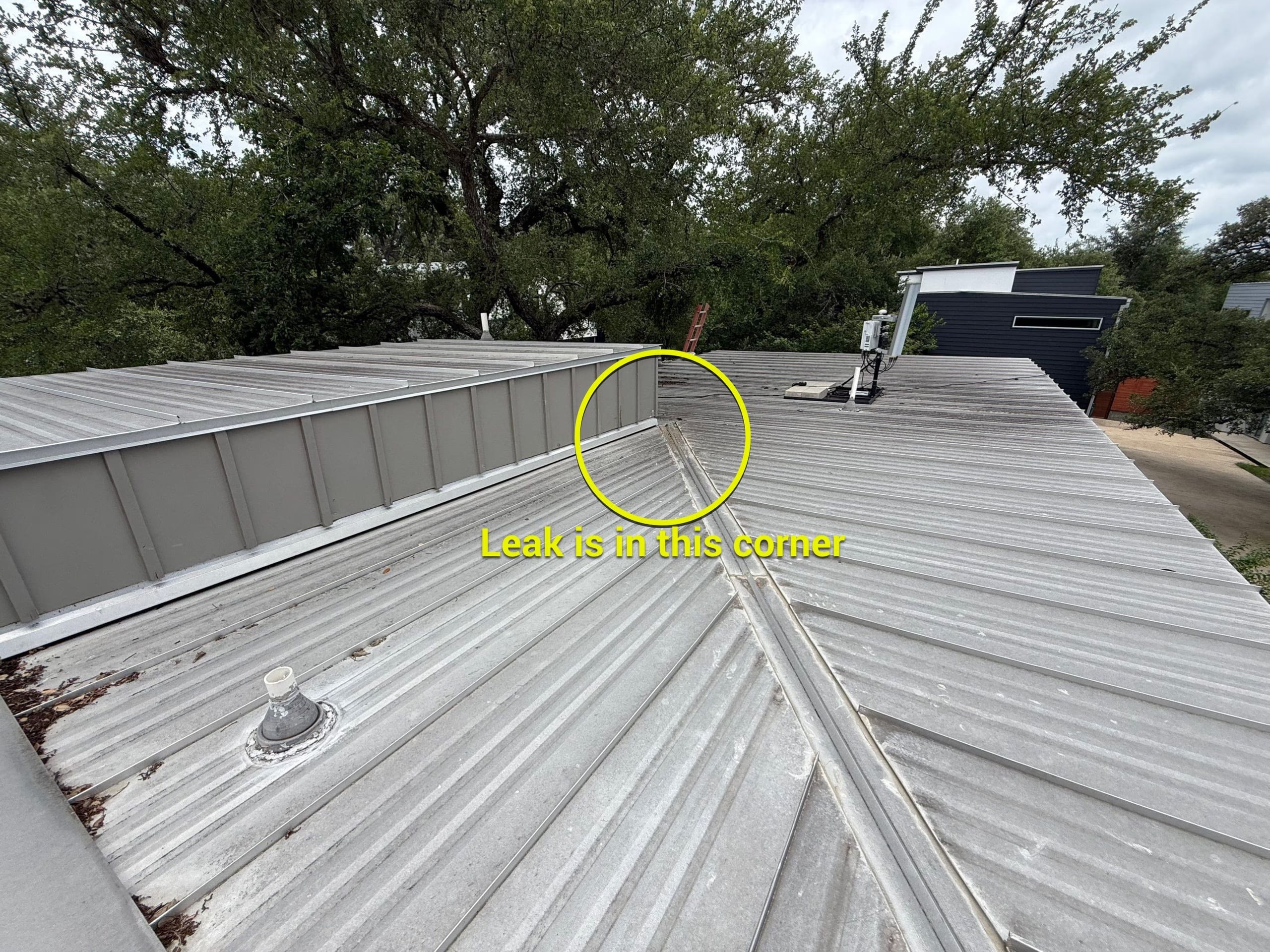
I always recommend using a roof inspection checklist that includes attic checks. Go up there on a sunny day and look for light coming through. That is an obvious sign of holes. Also feel for damp insulation or wood. Moisture in the attic often means a slow leak that has been going on for months. Catching that early is the difference between a minor repair and a full deck replacement.
How to Vet a Roofing Contractor
Finding a reliable contractor for roof repair Austin requires some homework. Start with the Better Business Bureau to see if there are unresolved complaints. Then check platforms like HomeAdvisor and Angi for reviews, but do not rely on star ratings alone. Read the actual comments to see if customers mention communication, cleanup, and how the crew handled unexpected issues.
Professional affiliations matter too. Look for contractors who are members of the National Roofing Contractors Association or the Roofing Contractors Association of Texas. These groups require ongoing training and adherence to industry standards. Also verify that the contractor follows OSHA guidelines for safety. A crew that ignores safety is a crew that might cut corners on your roof.
Ask about the materials they use. Reputable brands like GAF, CertainTeed, and Owens Corning have warranties that are only valid when installed by certified contractors. If a roofer offers a price that seems too good to be true, they may be using off-brand materials with no real warranty. That can cost you more in the long run.
Insurance and Permits: The Boring Stuff That Saves You
Before any work starts, confirm that the contractor carries liability insurance and workers compensation. The Insurance Institute of Texas provides guidance on what coverage is typical for residential roofing. If a worker gets hurt on your property and the contractor is uninsured, you could be held liable. That is a risk not worth taking.
Also check if your project requires a permit. Austin has specific building codes for roofing, especially for structural changes like adding a skylight or altering a flat roof. A reputable roofer will handle the permit process. If they tell you permits are unnecessary, that is a red flag. Permits exist to protect you from shoddy work, and a legitimate contractor will want that protection too.

When to Repair vs. When to Replace
This is the million-dollar question. As a rule of thumb, if your roof is less than 15 years old and the damage is localized, repair is usually the right call. But if you are dealing with widespread granule loss, multiple leaks, or shingles that are over 20 years old, replacement may be more cost-effective. A good contractor will give you an honest assessment, not just push for the biggest job.
I once consulted on a house where the owner had patched the same spot four times. Each patch cost a few hundred dollars, but the total was approaching the cost of a new section of roof. Sometimes a repair just delays the inevitable. A thorough inspection with a roof inspection checklist will reveal whether the underlying structure is sound. If the decking is rotted or the flashing is failing, replacement is the smarter investment.
Common Mistakes Homeowners Make
One common mistake is hiring a handyman instead of a licensed roofer. A handyman might be able to replace a few shingles, but they may not understand the nuances of roof ventilation or how to flash around a skylight properly. Those details matter here in Austin because of our weather patterns. A small error in flashing can lead to a persistent leak that is hard to diagnose.
Another mistake is ignoring the gutter system. Gutters and downspouts are part of the roof's water management. If they are clogged or damaged, water can pool on the roof and accelerate wear. I have seen roofs that were otherwise in good shape fail early because the gutters were neglected. A roof repair Austin service should include a gutter check as part of the estimate.
Finally, do not make a decision based solely on price. The cheapest bid often means lower quality materials or less experienced labor. The most expensive bid is not always the best either. Look for a contractor who provides a detailed written estimate, uses quality materials, and has a track record of standing behind their work. The Roofing Contractors Association of Texas can help you find vetted professionals in your area.
Planning for the Future
Once your roof is in good shape, think about maintenance. Annual inspections, especially after a severe storm, can extend the life of your roof by years. Keep trees trimmed to reduce debris and moss growth. If you have metal roofing, check for rust spots and touch them up promptly. For flat roofs, ensure the membrane is intact and the drains are clear.
If you are considering solar panels, plan the installation to coincide with a roof assessment. That way you address any repairs first and avoid the hassle of removing panels later. A well-maintained roof not only protects your home but also adds to its resale value. Buyers notice a fresh, clean roof, and they notice even more when there are stains on the ceiling from a past leak.
In the end, the best roof repair Austin advice I can give is to be proactive. Do not wait for a leak to show up on your ceiling. Get an inspection, ask the right questions, and hire a contractor who treats your home like their own. Your roof is your home's first line of defense against the elements, and it deserves real attention.